

Potatoes stand as one of the most versatile, high-yield, and climate-resilient staple crops globally, serving as a critical food source, industrial raw material, and profitable agricultural commodity. The potato growing process in China has evolved dramatically over the past two decades, transitioning from traditional smallholder farming to large-scale, mechanized, and standardized commercial cultivation. Today, China dominates global potato production, supplying fresh potatoes, processed potato products, and certified seed potatoes to dozens of countries across Asia, Africa, Europe, and Oceania.
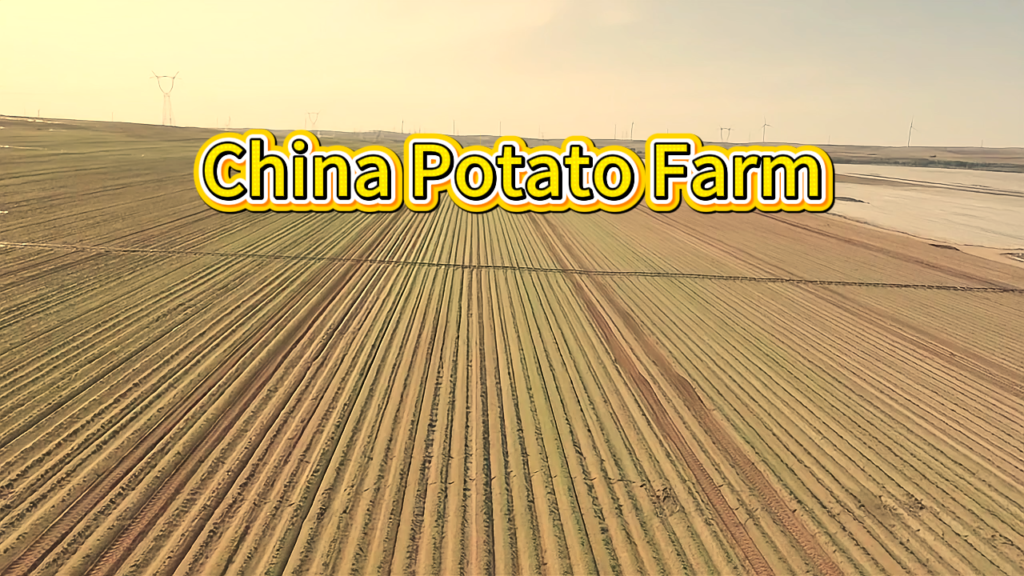
对于国际农产品买家、食品供应链运营商以及进出口企业而言,了解中国马铃薯种植情况对于采购稳定、经济高效且高质量的马铃薯产品至关重要。本指南全面解析了中国马铃薯种植的各个环节,包括品种选择、土地准备、种植、田间管理、生长周期、收获、冷链储存和出口物流。此外,本指南还涵盖了专业的有机马铃薯种植技术以及中国马铃薯出口在全球市场的竞争优势。
Overview of Potato Farming in China
China is the world’s largest potato-producing country, with millions of hectares of cultivated farmland spread across diverse climatic zones. Potato farming in China is highly regionalized, with major growing areas concentrated in northern drylands, southern highlands, and southwestern plateau regions. Unlike single-season potato farming in most Western countries, China’s varied geography enables multi-season potato production, including spring, summer, autumn, and winter crops, ensuring year-round supply of fresh potatoes for domestic consumption and global export.
Chinese potato farming systems consist of three core production models: smallholder family farming, large-scale cooperative farms, and modern industrial agricultural bases. In recent years, the Chinese government has prioritized potato industrialization, promoting standardized planting, mechanized operations, and green farming technologies to improve yield, quality, and market competitiveness. This industrial upgrade has transformed China from a purely domestic potato producer into a leadingChinese potato supplier for the global food market.
Why China Is One of the World’s Largest Potato Producers
China’s leading position in global potato output stems from three core advantages: geographic diversity, technological progress, and policy support. First, China’s vast territory covers temperate, subtropical, and high-altitude cold climates, providing adaptable growing conditions for almost all potato varieties. High-altitude plateau regions offer cool temperatures, strong sunlight, and low pest pressure, ideal for high-quality seed potato production, while low-latitude southern areas support off-season winter potato cultivation to fill global market supply gaps.
Second, continuous agricultural modernization has revolutionized the potato growing process in China. Mechanized plowing, precision seeding, drip irrigation, and intelligent crop monitoring have replaced traditional manual labor, significantly boosting per-hectare yield. Modern fertilizer management and pest control technologies further reduce crop loss and improve product uniformity.
Third, national agricultural policies classify potatoes as a strategic staple crop, supporting farmland expansion, seed research, cold storage construction, and export trade. Subsidies for mechanized farming and organic cultivation have accelerated the scaling of commercial potato production, solidifying China’s status as a global potato production powerhouse.
The Importance of Chinese Potatoes in the Global Market
Chinese potatoes play an irreplaceable role in the global food supply chain. As a high-yield, low-cost staple, Chinese fresh potatoes stabilize global food prices, especially for developing countries with high food demand. Beyond fresh produce, China’s processed potato products—including frozen fries, potato chips, dehydrated potato flakes, and potato starch—supply global food manufacturers and catering chains.
The rise of organic potato farming in China has also catered to the booming global demand for green, pesticide-free agricultural products. Certified organic Chinese potatoes are widely exported to high-standard markets in Southeast Asia, the Middle East, and Europe. Additionally, Chinese seed potatoes with high germination rates and strong disease resistance are increasingly popular among international farmers, making China a key global supplier of both commercial potatoes and agricultural seeds.
1. Selecting Potato Varieties in China
Variety selection is the foundation of high-yield, high-quality potato cultivation methods in China. Chinese agricultural research institutions and farms classify potato varieties strictly based on market demand, dividing them into fresh market varieties, processing varieties, and professional seed potato varieties.
Common Fresh Market Potatoes
Fresh table potatoes prioritize taste, appearance, and storage resistance. Popular varieties include Zhongshu series, Qingshu series, and Lishu series. These varieties feature smooth skin, uniform tuber size, low starch content, and tender flesh, suitable for daily cooking, boiling, and steaming. Most fresh potatoes grown in central and southern China target domestic supermarkets and cross-border fresh fruit and vegetable trade, requiring thin skin, shallow eyes, and no surface blemishes.
Processing Potatoes for French Fries and Chips
Industrial processing potatoes are specially bred for high starch content, uniform tuber shape, and low reducing sugar content to avoid browning during frying. Main processing varieties include Shepody, Atlantic, and Snowden, widely planted in northern China’s Inner Mongolia, Gansu, and Heilongjiang provinces. These varieties meet the strict quality standards of global snack and frozen food factories, supporting China’s large-scale processed potato export business.
Seed Potato Selection
Seed potato quality directly determines yield and disease resistance. Chinese professional seed potatoes are mainly produced in high-altitude cold regions such as Yunnan, Guizhou, and Qinghai, where low temperatures inhibit viral diseases. Qualified seed potatoes require complete bud eyes, no rot or damage, uniform size, and a germination rate above 95%. Strict virus detection and quarantine procedures are implemented for all commercial seed potatoes to ensure stable growth in subsequent planting stages.
2. Land Preparation Before Planting
Standardized land preparation is a critical pre-planting step in the potato growing process in China, directly affecting tuber growth, root development, and final yield. Chinese farms follow strict soil and field management standards for both conventional and organic potato farming.
Soil Requirements
Potatoes thrive in loose, well-drained sandy loam soil with a pH value of 5.5 to 6.5. Heavy clay soil is unsuitable as it easily causes waterlogging, tuber rot, and deformed growth. Chinese potato farms prioritize flat terrain with good ventilation and drainage to avoid seasonal water accumulation during rainy periods.
Land Plowing and Soil Improvement
Before planting, farmland undergoes deep plowing of 25 to 35 centimeters to loosen soil, break hard soil layers, and improve air permeability. Large-scale commercial farms use rotary tillers and deep plowing machines for full-field leveling, while organic farms manually remove residual crop roots and weeds to reduce pest and disease sources. For soil with low fertility or poor texture, farmers apply river sand and decomposed farmyard manure to improve soil structure.
Organic Farming Practices & Fertilizer Management
Conventional potato fields adopt scientific NPK ratio fertilization, with a focus on potassium fertilizer to promote tuber expansion. The standard fertilizer ratio in China is nitrogen, phosphorus, and potassium at 2:1:4, meeting the high potassium demand of potato growth. Fororganic potato farming, chemical fertilizers are completely prohibited. Instead, farmers use fully decomposed cow manure, chicken manure, and plant compost to improve soil fertility, supplemented by biological bacterial fertilizer to activate soil microorganisms. This method ensures zero chemical residue and improves long-term soil sustainability.
3. Potato Planting Process
China’s diverse climates create multi-region, multi-season planting patterns, enabling year-round potato production. The standardized potato planting process includes seed treatment, precise sowing parameters, and mechanized operation.
Planting Seasons in Different Regions
Northern China (Heilongjiang, Inner Mongolia, Gansu) adopts single-season spring planting, sowing in late April to early May and harvesting in September, with long growth cycles and high starch content. Central China plants spring potatoes in February to March and autumn potatoes in August to September. Southern high-altitude regions (Yunnan, Guizhou) conduct winter potato planting from October to December, harvesting in spring to supply off-season fresh potatoes for global export.
Seed Cutting and Treatment
Before planting, qualified seed potatoes are cut into small pieces, each retaining 2 to 3 complete bud eyes to ensure strong seedling growth. After cutting, seed pieces are disinfected with biological agents or plant ash to prevent bacterial infection and rot. Organic farms exclusively use natural plant ash for disinfection to maintain organic certification standards.
Planting Depth, Row Spacing and Modern Machinery
The standard planting depth in China is 8 to 10 centimeters, with row spacing of 60 to 70 centimeters and plant spacing of 20 to 25 centimeters, ensuring reasonable light and ventilation for each plant. Modern large-scale farms fully adopt integrated seeding machines that complete ditching, sowing, fertilizing, and soil covering in one operation, greatly improving planting efficiency. Mechanized planting ensures uniform seed depth and spacing, reducing manual errors and laying a foundation for consistent yield and quality.
4. Potato Field Management
Precise field management throughout the growth cycle is key to high yield and high quality in Chinese potato farming. Management covers irrigation, weed control, pest prevention, and real-time crop monitoring.
Irrigation Management
Potatoes have strict water requirements at different growth stages. The seedling stage requires less water to prevent excessive seedling growth, while the tuber formation and expansion stages require stable soil moisture. Modern Chinese farms widely use drip irrigation and sprinkler irrigation systems to achieve precise water supply, avoiding water waste and soil flooding. In arid northern regions, water-saving irrigation technologies ensure stable potato production even in dry seasons.
Weed Control
Conventional farms use low-toxicity, residue-free herbicides for closed weeding before seedling emergence. Organic potato farming strictly prohibits chemical herbicides, adopting manual weeding and mechanical shallow tillage to remove weeds, protecting soil ecological balance and avoiding chemical residue.
Pest and Disease Management
Common potato diseases in China include late blight, early blight, and viral diseases, while main pests are aphids, grubs, and potato beetles. Conventional farms implement green prevention and control, using low-toxic biological pesticides and regular field inspection to remove diseased plants. Organic farms rely on biological control methods: releasing natural pest enemies, applying biological fungicides, and spreading plant ash to inhibit pests and diseases, ensuring product safety and green standards.
Crop Monitoring
Large-scale modern farms use intelligent monitoring equipment to track soil temperature, humidity, light intensity, and crop growth status in real time. Data-driven management adjusts irrigation, fertilization, and pest control measures dynamically, realizing scientific and refined potato cultivation.
5. Potato Growth Stages
The entire potato growth cycle in China is divided into five clear stages, with targeted management measures for each phase to maximize yield and quality.
Sprouting Stage
From sowing to seedling emergence, this stage lasts 15 to 25 days. The core goal is to maintain stable soil temperature and moderate humidity to ensure neat and strong seedling emergence, avoiding waterlogging and low-temperature frost damage.
Vegetative Growth Stage
After seedling emergence to budding, plants grow stems and leaves rapidly. Farmers strengthen light ventilation, conduct shallow weeding, and apply balanced nitrogen and potassium fertilizer to promote robust plant growth and lay a foundation for subsequent tuber development.
Tuber Formation Stage
During budding and early flowering, potato tubers begin to form. This is a critical growth period requiring reduced nitrogen supply and increased potassium fertilizer to promote tuber differentiation and prevent excessive leaf growth.
Tuber Expansion Stage
The mid-to-late flowering stage is the peak period of tuber growth, with rapid volume and weight increase. Stable soil moisture and sufficient potassium nutrition are essential here to expand tuber size and improve yield.
Maturity Stage
When plant leaves turn yellow and wither, potatoes stop growing and enter maturity. Farmers stop irrigation and fertilization to dry the field and harden potato skin, facilitating later harvesting, transportation, and long-term storage.
6. Potato Harvesting in China
Scientific potato harvesting process ensures minimal damage, high commodity rate, and good storage resistance. Chinese farms adopt classified harvesting methods based on scale and variety.
Harvest Timing
Harvesting starts when more than 70% of plant leaves wither and tubers fully mature. Off-season export potatoes are harvested slightly early to ensure firm skin and resistance to long-distance transportation, while processing potatoes are harvested after full maturity to maximize starch content.
Mechanical and Manual Harvesting
Large-scale commercial bases use fully automatic potato harvesters that complete digging, soil removal, and screening in one step, with high efficiency and low tuber damage rate. Smallholder farms adopt manual harvesting with hoes, harvesting along ridge sides to avoid scratching and cutting tubers.
Quality Inspection and Storage Preparation
After harvesting, potatoes are spread out to air-dry for 1 to 2 days to remove surface moisture and harden the skin. Professional workers conduct preliminary screening to remove damaged, rotten, deformed, and undersized tubers. Qualified products are graded by size and quality for subsequent cold storage or direct export.
7. Potato Storage and Supply Chain
China’s complete potato cold chain system supports stable year-round supply and long-distance potato export from China, forming a mature industrial supply chain from farm to global market.
Cold Storage Technology
Professional potato cold storage warehouses in China adopt constant temperature and humidity control technology, maintaining 2 to 4 degrees Celsius and appropriate humidity to inhibit sprouting and rot. Ventilation systems and regular disinfection ensure long-term safe storage of fresh potatoes, enabling off-season sales and stable export supply.
Transportation and Wholesale Markets
Short-distance domestic transportation uses ventilated trucks to avoid extrusion and mildew. Long-distance cross-border transportation adopts refrigerated container trucks to maintain fresh quality. Major national wholesale markets in Shandong, Yunnan, and Inner Mongolia serve as core distribution hubs, aggregating potatoes from various producing areas and distributing them to global buyers.
Export Process
The potato export from China process includes quality re-inspection, pesticide residue testing, packaging and labeling, customs declaration, and commodity inspection. All export potatoes meet international food safety standards, with customized packaging (bulk bags, cartons, vacuum packaging) according to buyer requirements, supporting door-to-door global shipping.
8. Organic Potato Farming in China
Organic potato farming is a fast-growing segment of China’s potato industry, catering to the global demand for green and healthy agricultural products.
Conventional vs Organic Potatoes
Conventional potato farming allows reasonable use of low-toxic chemical fertilizers and pesticides to pursue high yield. Organic potato farming completely prohibits chemical synthetic fertilizers, pesticides, growth regulators, and genetically modified seeds, relying entirely on natural ecological circulation for production, with zero chemical residue and higher food safety.
Organic Soil Management and Environmental Benefits
Organic farms implement crop rotation annually to avoid continuous cropping obstacles, use organic compost to improve soil fertility, and protect soil biodiversity. This farming method reduces agricultural non-point source pollution, protects regional ecological environment, and realizes sustainable agricultural development.
Growing Global Demand
With rising global health awareness, the market demand for organic potatoes and organic processed potato products continues to grow. Chinese certified organic potatoes have obvious price advantages and stable quality, becoming the preferred sourcing choice for many global organic food brands.
9. Chinese Potato Export Industry
China’s potato export industry has formed a complete industrial chain covering planting, processing, storage, and trade, with strong global market competitiveness.
Main Potato-Producing and Export Regions
Major export bases include Yunnan (winter off-season potatoes), Shandong (fresh and processed potatoes), Inner Mongolia and Gansu (high-starch processing potatoes). These regions have standardized planting bases, complete cold chain facilities, and mature export trade experience.
International Demand and Export Opportunities
Global markets have strong demand for Chinese fresh potatoes, seed potatoes, and frozen processed products. Neighboring Southeast Asian countries, Middle Eastern countries, and African markets rely heavily on Chinese potato supplies for stable food supply and low-cost raw materials. European and American markets show growing demand for Chinese organic potato products, bringing new export growth opportunities.
Quality Standards
All export potatoes comply with China’s national agricultural safety standards and meet international import requirements including pesticide residue limits, heavy metal detection, and microbial indicators. Professional third-party testing institutions provide certification reports to ensure product compliance with global market access rules.
Conclusion
The potato growing process in China represents a perfect combination of traditional planting experience and modern agricultural technology. From precise variety selection, standardized land preparation, and refined field management to mechanized harvesting and intelligent cold chain storage, every link of potato farming in China has achieved industrial and standardized upgrading. As reliable Chinese potato suppliers, Chinese farms and export enterprises provide cost-effective, high-quality fresh potatoes, processed products, and organic potatoes for the global market.
With continuous technological innovation and the expansion of organic potato farming, China’s potato industry will further enhance its global influence, stabilize the international food supply chain, and bring more diversified sourcing opportunities for global agricultural importers and food enterprises.
FAQ (8 Common Questions)
1. What is the full potato growing process in China?
The complete process includes variety selection, land preparation, seed treatment and planting, field irrigation and pest management, five-stage crop growth, mechanical/manual harvesting, quality screening, cold storage, and final transportation and export.
2. Why are Chinese potatoes popular in global markets?
Chinese potatoes feature stable yield, low cost, complete variety categories (fresh, processing, organic), strict quality control, and year-round supply thanks to multi-region and multi-season planting systems.
3. What is the difference between conventional and organic potato farming in China?
Organic farming bans all chemical fertilizers and pesticides, uses pure organic fertilizers and biological pest control, and implements crop rotation, with zero residue and higher safety standards than conventional farming.
4. Which regions in China produce the best export-quality potatoes?
Yunnan (off-season winter potatoes), Shandong (commercial fresh potatoes), and Inner Mongolia/Gansu (high-starch processing potatoes) are the top three export-oriented potato regions in China.
5. What machinery is used in modern Chinese potato farming?
Modern farms use deep plowing machines, integrated seeders, drip irrigation systems, intelligent monitoring devices, and automatic potato harvesters to realize full mechanized operation.
6. How does China store potatoes for long-term export?
Export potatoes are stored in constant-temperature cold warehouses with strict temperature and humidity control to prevent sprouting and rot, ensuring fresh quality during long-distance international transportation.
7. What potato varieties does China export the most?
China mainly exports fresh table potato varieties for daily consumption and high-starch processing varieties for fries, chips, and starch production, plus certified organic potatoes for high-end markets.
8. What quality standards do Chinese export potatoes meet?
All export potatoes pass pesticide residue, heavy metal, and microbial testing, complying with international food safety standards and the import requirements of target countries and regions.https://xsjfarm.com/
